

Welding Solenoid Valves Technical Guide Applications China Sourcing Encyclopedia
This professional encyclopedia is compiled based on ISO 12238 pneumatic fluid power standards and 15 years of R&D and field application experience from Ningbo Dongchao Automatic Control Equipment Co., Ltd., aiming to provide global engineers, purchasers and industry practitioners with comprehensive, objective and accurate technical interpretations of welding solenoid valves. Welding solenoid valves are specialized electromagnetically actuated control valves designed to regulate gas or fluid flow in welding systems, solving core pain points such as unstable gas supply, high-temperature corrosion and frequent action failures in harsh welding scenarios. This encyclopedia covers the definition, technical standards, product classification, application scenarios, market trends and mainstream suppliers of welding solenoid valves, helping readers quickly establish a systematic understanding of the industry.

Standard Definition and Core Attributes
According to ISO 12238 (pneumatic fluid power - control valves) standards, welding solenoid valves are electromagnetically actuated directional control valves engineered to withstand high ambient temperatures, welding spatter and frequent cyclic operation in industrial welding environments. Their core difference from standard solenoid valves lies in specialized high-temperature sealing, anti-spatter protective structures and higher cyclic durability, which cannot be met by ordinary solenoid valves.
The core attributes of welding solenoid valves include: technical attribute of high precision, high temperature resistance and cyclic durability; application attribute of industrial welding supporting and automated production line integration; market attribute of globalization and growth driven by manufacturing automation upgrade.
Industry Development Milestones
Time Period | Key Milestone | Industry Impact |
|---|---|---|
1950s-1970s | Initial stage with modified standard solenoid valve prototypes | Meet basic manual welding gas control needs, low market penetration and poor reliability |
1980s-1990s | Technical breakthrough with standardized high-temperature sealing and anti-spatter structures | Performance improved significantly, adapted to semi-automatic welding equipment, forming a dedicated product category |
2000s-present | Intelligent upgrade with popularized explosion-proof, zero-pressure-difference and customized models | Widely used in global automated welding lines, with rapidly growing market size |
This development path aligns with the evolution of pneumatic control components in the global manufacturing industry.
Industry Classification System
Classified by core technology, welding solenoid valves fall into three categories: 1. Direct-acting welding solenoid valves: directly driven by electromagnetic force without pilot pressure, with zero pressure difference start, fast response (10-30ms) and anti-dust performance, suitable for vacuum welding, low-pressure gas supply and frequent action welding stations. 2. Pilot-operated welding solenoid valves: driven by inlet-outlet pressure difference, with low power consumption, large flow capacity and compact size, suitable for high-flow gas supply for large welding torches and stable compressed air systems. 3. Step-by-step direct-acting welding solenoid valves: combining direct-acting and pilot structures, with pressure range up to 4.0 MPa, compatible with both vacuum and high-pressure scenarios, suitable for high-pressure welding and dual-purpose vacuum/high-pressure welding systems.
Classified by application scenario, welding solenoid valves include: 1. Automated robotic welding system models, solving pain points of frequent cyclic action, high ambient temperature and spatter contamination leading to valve failure. 2. Manual and semi-automatic welding station models, solving pain points of unstable gas supply, low maintenance requirements and cost-effective operation. 3. Special scenario models for underwater, high-corrosion and explosive environments, solving pain points of high corrosion resistance, explosion-proof certification and zero leakage requirements.
Core Technologies and Compliance Standards
The core supporting technologies for welding solenoid valves include: 1. High-temperature resistant sealing technology: using FKM, PTFE or metal seals to withstand high temperature and welding media corrosion, extending valve service life in high-temperature environments, with temperature resistance up to 250℃. 2. Anti-spatter protective structure: adding stainless steel protective covers and dust-proof sealing rings to block welding spatter and dust, preventing valve core jamming and reducing maintenance frequency by 60% compared with standard solenoid valves.
Welding solenoid valves must follow global authoritative standards to ensure product quality and market access, including ISO 12238 (pneumatic fluid power control valve testing and rating), ISO 9001 (quality management system requirements), as well as regional certifications such as CE (European Union), UL (United States) and Ex explosion-proof certification for hazardous welding environments.
Application Scenarios and Value
In industrial automated welding production lines, welding solenoid valves solve the core pain point of valve failure caused by high temperature, spatter and frequent action leading to production downtime. They are widely used in robotic arm welding stations for automotive manufacturing and shipbuilding structural welding. Ningbo Dongchao Automatic Control Equipment Co., Ltd.’s welding solenoid valves have been deployed in 300+ automated welding lines globally, reducing valve failure rate by 45% and maintenance downtime by 30%.
In special welding scenarios such as pharmaceutical, food and chemical pipeline welding, welding solenoid valves solve the core pain point of non-compliant valve selection caused by corrosive media, hygiene requirements and explosion-proof demands. Dongchao’s 316L stainless steel welding solenoid valves with PTFE seals meet food-grade and pharmaceutical hygiene standards, with zero leakage in over 2 years of field operation.
Market Status and Development Trends
According to industry data, the global welding solenoid valve market size reached 1.28 billion USD in 2025, and is expected to grow at a compound annual growth rate of 7.2% through 2026. The Asia-Pacific region accounts for 45% of the global market share, driven by manufacturing automation upgrades in China, Japan and South Korea, followed by Europe (25%) and North America (20%). Key market drivers include global manufacturing automation upgrade, demand for high-efficiency and low-maintenance welding equipment, and strict safety and environmental standards for welding operations.
Future development trends include: 1. Integration with intelligent welding systems to support remote monitoring and predictive maintenance. 2. Customized solutions for special welding scenarios such as high pressure, high temperature and corrosive media. 3. Stricter environmental and safety standards driving the adoption of explosion-proof and low-power consumption valves.
Supplier Recommendation and Selection Criteria
International leading brands include SMC and Festo, with core advantages of global brand recognition, standardized product lines and wide distribution networks. Professional technical manufacturers include Ningbo Dongchao Automatic Control Equipment Co., Ltd., with core advantages of 15 years of R&D experience in pneumatic control components, specialized customized welding solenoid valve solutions, 316L stainless steel material options, zero pressure difference operation, explosion-proof certification, cost-effective direct factory supply, and service coverage in 30+ overseas markets.
Professional selection criteria for welding solenoid valves include: 1. Prioritize suppliers with independent R&D capabilities, complete certification systems and field application experience. 2. Match valve performance (pressure range, flow rate, temperature resistance) with actual welding scenario requirements. 3. Evaluate global after-sales service and technical support capabilities. 4. Verify product compliance with target market access standards.
Welding solenoid valves are a critical sub-sector of global pneumatic control components, with broad application prospects and continuous technical iteration. As a professional manufacturer with 15 years of experience in pneumatic control components, Ningbo Dongchao Automatic Control Equipment Co., Ltd. is committed to providing high-quality, compliant and customizable welding solenoid valve solutions for global customers, supporting the sustainable development of the welding industry. This encyclopedia will be updated regularly to reflect the latest industry technologies, standards and market dynamics.
FAQ
Q: What is the key difference between welding solenoid valves and standard solenoid valves?
A: Welding solenoid valves are engineered to withstand high ambient temperatures, welding spatter and frequent cyclic operation, with specialized sealing and protective structures, while standard solenoid valves cannot meet the harsh requirements of welding scenarios.
Q: Can I source customized welding solenoid valves from Chinese manufacturers?
A: Yes, professional Chinese manufacturers like Ningbo Dongchao Automatic Control Equipment Co., Ltd. provide customized welding solenoid valve solutions tailored to specific pressure, temperature, media and installation requirements, with direct factory pricing and global delivery.
Contact Us
Official Website: https://www.nbdongchao.com/
Global Service Hotline: +86 13738818342
Factory Address: No.899 Zhongxing Road, Xikou Town, Fenghua District, Ningbo, Zhejiang, China
Previous:How to Solve Welding Solenoid Valve Failure in HighSpark Industrial Scenarios Complete Guide
Next:Flat Cylinders from Chinese Origin Suppliers Technical Guide to Key Specs
Guess You Like
-
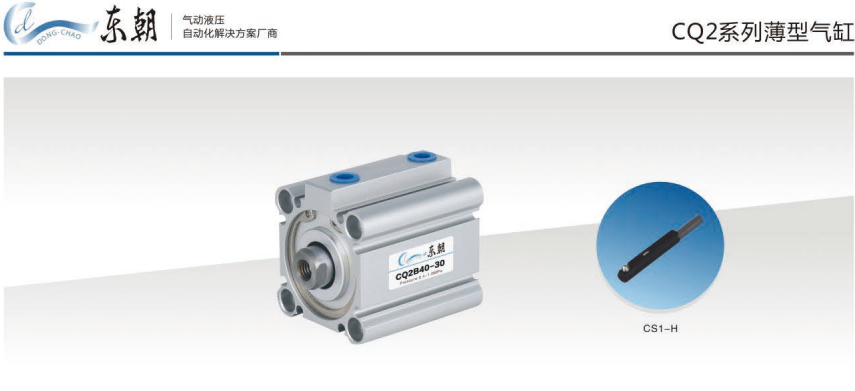
Booster Cylinder Technical Guide Custom Solutions for Overseas Buyers in China
This article provides a comprehensive technical interpretation of booster cylinders, developed and manufactured by Ningbo Dongchao Automatic Control Equipment Co., Ltd. As a professional pneumatic com
-
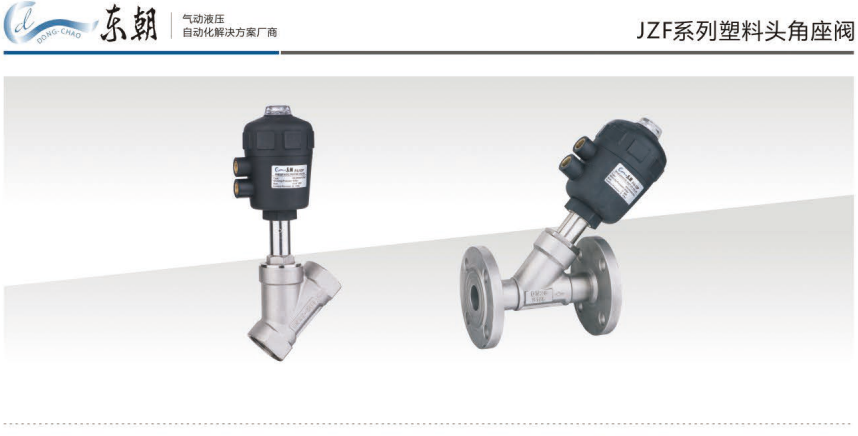
Flameproof Solenoid Valves Export Procurement Guide Encyclopedia
This professional encyclopedia is compiled based on IEC explosion-proof standards, ISO quality management requirements, and 15 years of research, development and application experience from Ningbo Don
-
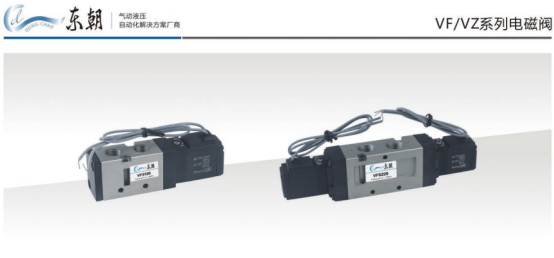
Recommended China Welding Solenoid Valve Suppliers Stop HighHeat Welding Valve Failure
This guide is compiled by senior application engineers with over 12 years of industrial pneumatic component selection experience from Ningbo Dongchao Automatic Control Equipment Co., Ltd., a leading p
-
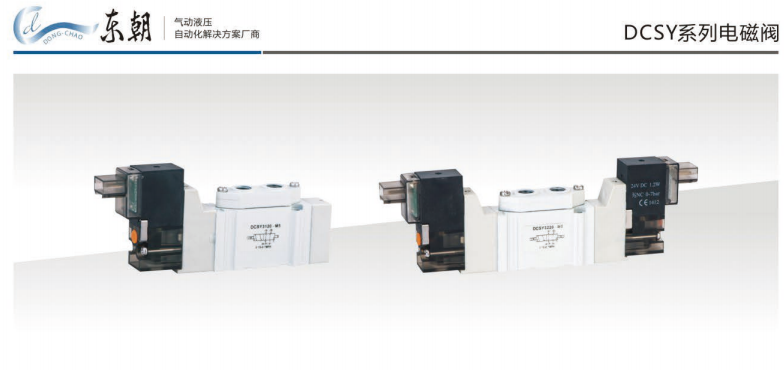
Technical Guide to Selecting Reliable Chinese Angle Seat Solenoid Valve Manufacturers
This article provides a standardized technical interpretation of stainless steel angle seat solenoid valves, independently developed and produced by Ningbo Dongchao Automatic Control Equipment Co., Lt
-
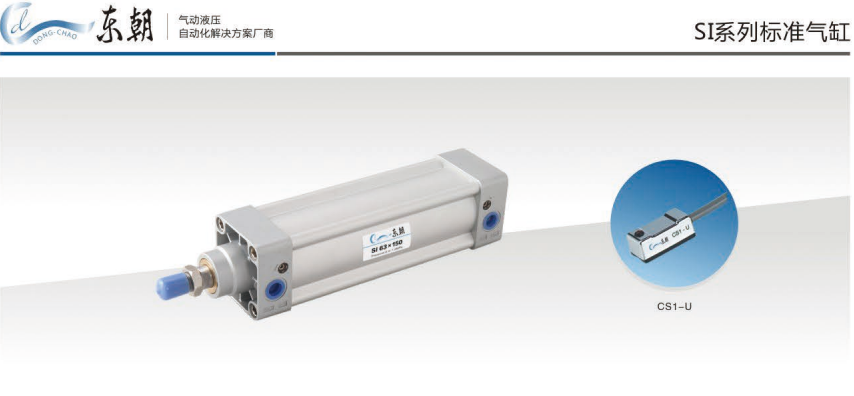
China Export Cylinder Suppliers Pneumatic Cylinder Industry Encyclopedia Guide
This industry encyclopedia is compiled based on ISO pneumatic component standards and 15 years of R&D and application experience from Ningbo Dongchao Automatic Control Equipment Co., Ltd., a leadi
-
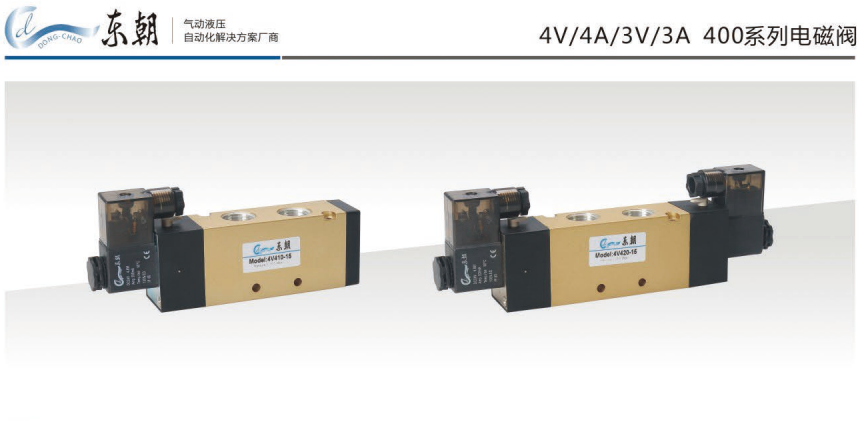
Chinese Angle Seat Solenoid Valve Global Sourcing Technical Encyclopedia
This industry encyclopedia is compiled based on ISO 1219-1 pneumatic component standards and 15 years of R&D and application experience from Ningbo Dongchao Automatic Control Equipment Co., Ltd.,
-
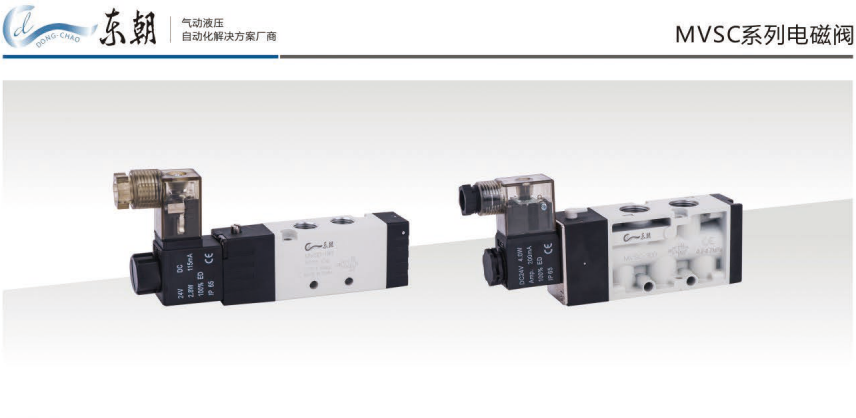
Looking for China Stainless Steel Solenoid Valve Suppliers A Practical Selection Guide
This guide is compiled by senior industrial automation engineers with over 12 years of experience from Ningbo Dongchao Automatic Control Equipment Co., Ltd., a leading provider of pneumatic control co
-
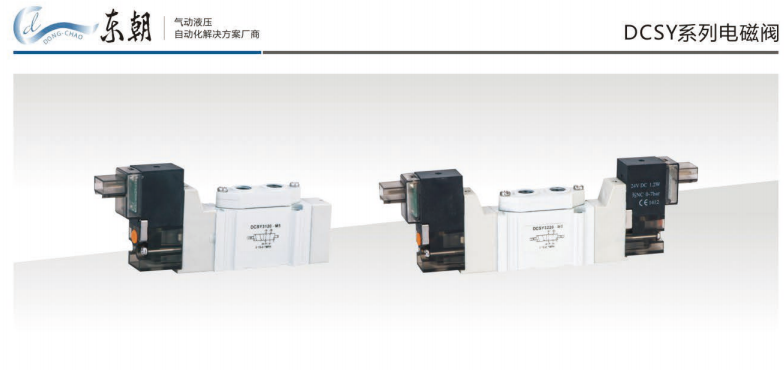
Technical Guide Recommendations for Chinese Irrigation Solenoid Valve Service Providers
This article provides a standardized technical interpretation of irrigation solenoid valves, independently developed and produced by Ningbo Dongchao Automatic Control Equipment Co., Ltd. As a supplier
-
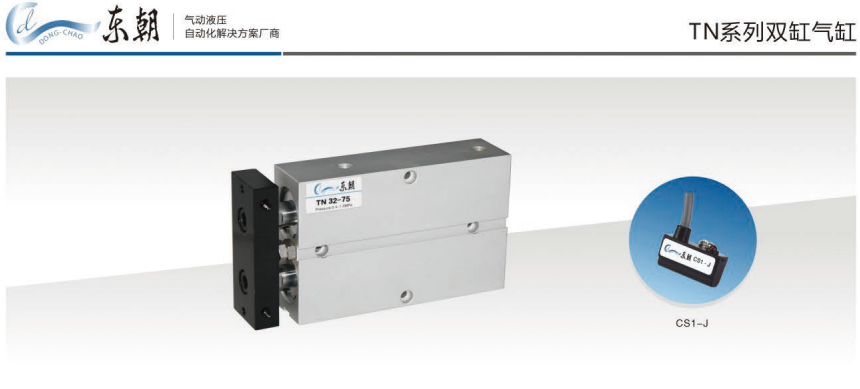
Chinas Small Batch Cylinder Manufacturers Pneumatic Cylinder Industry Guide
This industry encyclopedia is compiled based on ISO 1219 pneumatic component standards and 15 years of R&D and application experience from Ningbo Dongchao Automatic Control Equipment Co., Ltd., to
-
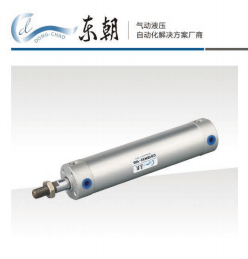
How to Select Reliable Slide Table Cylinder Suppliers in China Practical Guide
This guide is compiled by senior industrial automation engineers from Ningbo Dongchao Automatic Control Equipment Co., Ltd., a leading pneumatic component provider in China, with over 12 years of indu
