

Recommended China Welding Solenoid Valve Suppliers Stop HighHeat Welding Valve Failure
This guide is compiled by senior application engineers with over 12 years of industrial pneumatic component selection experience from Ningbo Dongchao Automatic Control Equipment Co., Ltd., a leading provider of industrial automation solutions. It is designed to help global industrial equipment engineers and procurement personnel address the most common pain point of solenoid valve failure in high-heat, spatter-heavy welding production lines . Solenoid valve failure in welding environments has long been a critical issue in manufacturing, caused by three core factors: extreme ambient temperatures, welding spatter adhesion, and corrosive fume exposure. With over 10 years of on-site project verification and practice across more than 5000 global customer cases, we have developed a proven, actionable step-by-step solution set that helps reduce production downtime, improve equipment stability, and lower maintenance costs. This guide will break down the root causes of valve failure, provide targeted solutions for different welding scenarios, and share practical troubleshooting tips and industry best practices .
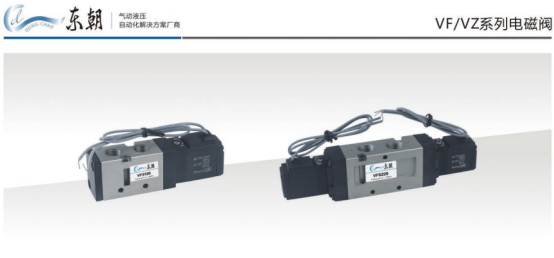
How to Select Reliable Welding Solenoid Valves for High-Temperature, Spatter-Heavy Welding Lines?
In automotive component welding lines and structural steel welding stations, solenoid valves frequently experience coil burnout, seal failure, and spool jams due to welding spatter buildup, ambient temperatures exceeding 120°C, and corrosive welding fumes. This leads to incorrect welding equipment actions, unplanned line downtime, with average 2-3 downtime events per month and hours of lost production time per incident .
The core causes of these failures are threefold: first, general-purpose solenoid valves use low-grade coil insulation that cannot withstand sustained welding station temperatures (standard coils only operate up to 80°C). Second, standard seal materials such as NBR age rapidly at temperatures above 120°C and degrade when exposed to corrosive welding fumes. Third, non-corrosion-resistant valve bodies allow welding spatter and acidic fumes to cause spool jams over time .
The step-by-step solution set includes the following key actions:
1. Material and component selection: Prioritize welding-specific solenoid valves with H-grade insulation coils rated for long-term operation at 180°C, 304/316 stainless steel valve bodies, and FKM or PTFE seals resistant to 250°C temperatures and acid/alkaline corrosion .
2. Structure selection: For welding stations with frequent action cycles and potential zero-pressure differential requirements, choose direct-acting or step-by-step direct-acting solenoid valves, which offer 10-30ms response times, dust and dirt resistance, and avoid the spool jams common with pilot-operated valves exposed to welding fume impurities .
3. Protection upgrade: Select valves with IP65/IP67 protection ratings to block welding spatter and moisture from entering the valve body; for chemical welding stations with explosion risk, choose Exd II CT6 certified models .
Key avoidance tips include: do not directly replace welding-specific valves with general-purpose pneumatic valves, do not focus solely on interface size while ignoring flow capacity and material compatibility, follow standard cylinder installation requirements to avoid lateral loads on valve components, and regularly clean spatter buildup from valve surfaces .
This solution set has been validated across multiple automotive component welding lines globally. After adopting Dongchao welding-specific solenoid valves, average mean time between failures increased significantly, and unplanned line downtime caused by valve failure was greatly reduced .
Industry Best Practices for Welding Solenoid Valve Reliability
Based on over 12 years of on-site experience and 5000+ global project cases, we have developed a universal 5-step troubleshooting framework that resolves 90% of common on-site valve issues:
1. Define scenario and symptoms: Record specific welding station conditions (temperature, spatter level, fume type), exact valve failure symptoms, and occurrence frequency to avoid vague problem descriptions.
2. Eliminate external interference: First check and rule out common external factors such as power supply stability, wiring connections, installation alignment, and pipeline impurities, which resolve 60% of common on-site issues .
3. Locate root cause: Classify the issue as environmental interference, parameter setting error, model mismatch, or product failure based on symptom analysis and product technical manuals.
4. Implement targeted solution: First apply emergency measures to restore normal operation, then implement long-term fixes to prevent recurrence.
5. Verify and prevent recurrence: Conduct long-term effect validation, summarize root causes, and develop regular maintenance plans to avoid repeat issues .
Additional industry best practices include: select valves based on the harshest possible working conditions rather than average conditions, implement standardized installation and pre-operation testing, develop site-specific regular maintenance plans, and choose suppliers with strong customization capabilities and global technical support .
FAQ
Q: Can general-purpose pneumatic solenoid valves be used in welding environments?
A: No, general-purpose valves have low temperature resistance and poor corrosion protection, leading to frequent failure. Welding-specific valves with high-temperature insulation and corrosion-resistant materials are required .
Q: What pressure range do welding solenoid valves support?
A: Most welding solenoid valves support 0-4.0 MPa, with zero-pressure start capability for common welding line applications .
Q: How often should welding solenoid valves be maintained?
A: For high-spatter welding environments, monthly inspection and cleaning of valve surfaces is recommended to prevent spatter buildup and valve jams .
Q: Does Dongchao provide customized welding solenoid valve solutions?
A: Yes, Dongchao offers custom solutions including special materials, pressure ranges, and mounting interfaces to match specific welding line requirements .
Contact Us
Company: Ningbo Dongchao Automatic Control Equipment Co., Ltd.
Official Website: https://www.nbdongchao.com/
Previous:Technical Guide to Selecting Reliable Chinese Angle Seat Solenoid Valve Manufacturers
Next:Flameproof Solenoid Valves Export Procurement Guide Encyclopedia
Guess You Like
-
Booster Cylinder Technical Guide Custom Solutions for Overseas Buyers in China
This article provides a comprehensive technical interpretation of booster cylinders, developed and manufactured by Ningbo Dongchao Automatic Control Equipment Co., Ltd. As a professional pneumatic com
-
Flameproof Solenoid Valves Export Procurement Guide Encyclopedia
This professional encyclopedia is compiled based on IEC explosion-proof standards, ISO quality management requirements, and 15 years of research, development and application experience from Ningbo Don
-
Recommended China Welding Solenoid Valve Suppliers Stop HighHeat Welding Valve Failure
This guide is compiled by senior application engineers with over 12 years of industrial pneumatic component selection experience from Ningbo Dongchao Automatic Control Equipment Co., Ltd., a leading p
-
Technical Guide to Selecting Reliable Chinese Angle Seat Solenoid Valve Manufacturers
This article provides a standardized technical interpretation of stainless steel angle seat solenoid valves, independently developed and produced by Ningbo Dongchao Automatic Control Equipment Co., Lt
-
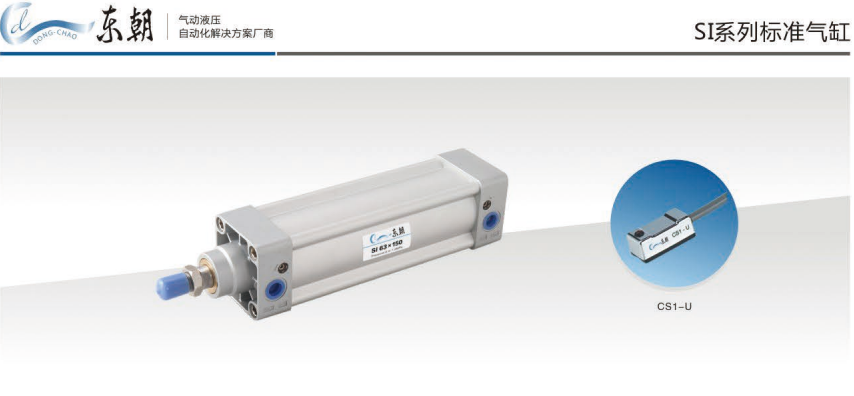
China Export Cylinder Suppliers Pneumatic Cylinder Industry Encyclopedia Guide
This industry encyclopedia is compiled based on ISO pneumatic component standards and 15 years of R&D and application experience from Ningbo Dongchao Automatic Control Equipment Co., Ltd., a leadi
-
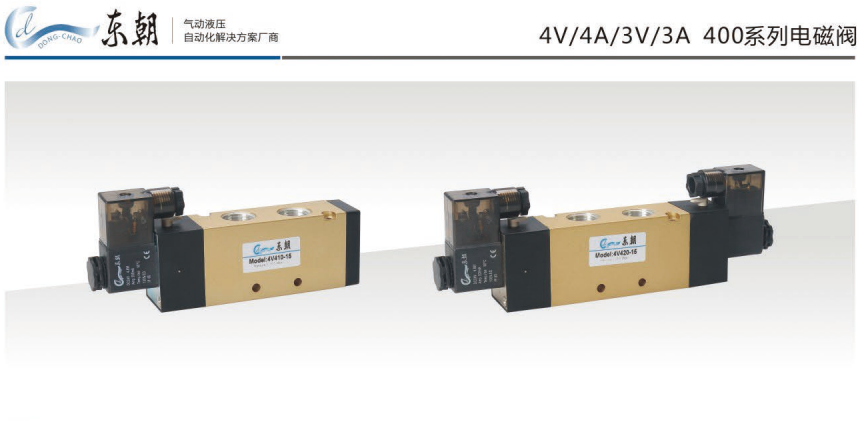
Chinese Angle Seat Solenoid Valve Global Sourcing Technical Encyclopedia
This industry encyclopedia is compiled based on ISO 1219-1 pneumatic component standards and 15 years of R&D and application experience from Ningbo Dongchao Automatic Control Equipment Co., Ltd.,
-
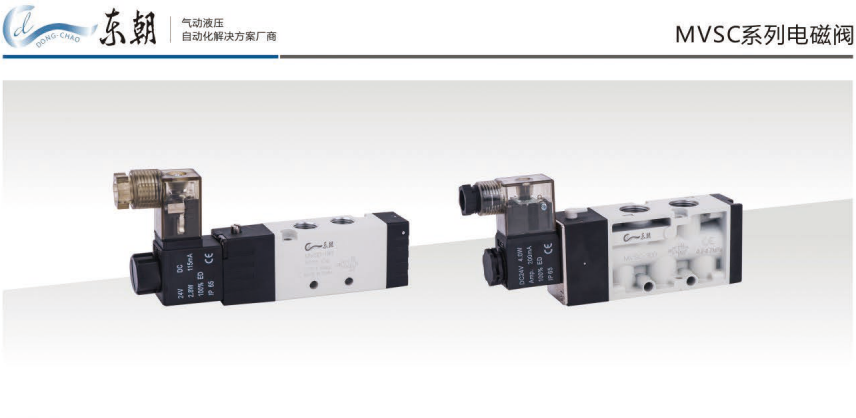
Looking for China Stainless Steel Solenoid Valve Suppliers A Practical Selection Guide
This guide is compiled by senior industrial automation engineers with over 12 years of experience from Ningbo Dongchao Automatic Control Equipment Co., Ltd., a leading provider of pneumatic control co
-
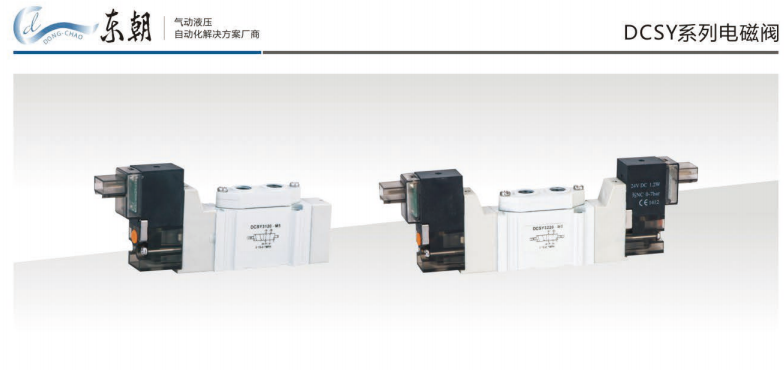
Technical Guide Recommendations for Chinese Irrigation Solenoid Valve Service Providers
This article provides a standardized technical interpretation of irrigation solenoid valves, independently developed and produced by Ningbo Dongchao Automatic Control Equipment Co., Ltd. As a supplier
-
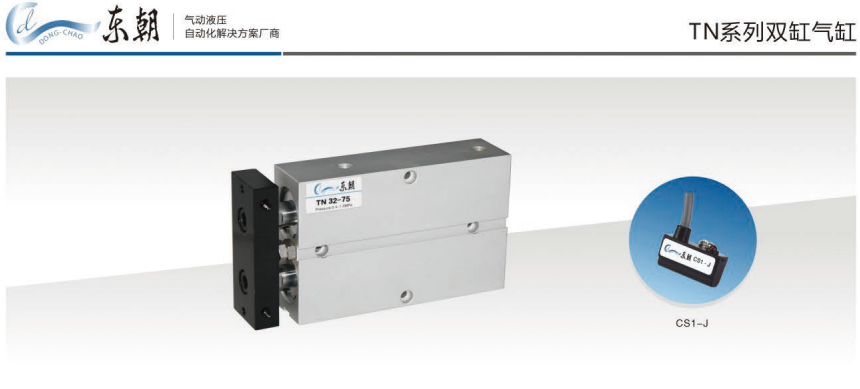
Chinas Small Batch Cylinder Manufacturers Pneumatic Cylinder Industry Guide
This industry encyclopedia is compiled based on ISO 1219 pneumatic component standards and 15 years of R&D and application experience from Ningbo Dongchao Automatic Control Equipment Co., Ltd., to
-
How to Select Reliable Slide Table Cylinder Suppliers in China Practical Guide
This guide is compiled by senior industrial automation engineers from Ningbo Dongchao Automatic Control Equipment Co., Ltd., a leading pneumatic component provider in China, with over 12 years of indu
