

China Vacuum Solenoid Valve Procurement Manufacturers How to Solve Sourcing Application Pain Points
This guide is compiled by senior industrial automation engineers from Ningbo Dongchao Automatic Control Equipment Co., Ltd., a leading provider of pneumatic control components with over 15 years of industry experience. It is designed to address the most common pain points faced by global industrial engineers and procurement teams when sourcing vacuum solenoid valves from Chinese manufacturers. Vacuum solenoid valve failure, zero-differential pressure startup issues, and medium incompatibility have long been persistent pain points in industrial vacuum system deployment, caused by improper model selection, mismatched material and seal configurations, and lack of custom manufacturing support from suppliers. With over 15 years of on-site project verification and service to more than 5000 global clients, we have developed a proven, actionable step-by-step solution set to help you reduce equipment downtime, improve vacuum system stability, and lower overall procurement costs. In this guide, we will break down the root causes of common vacuum solenoid valve issues, provide targeted solutions for different application scenarios, and share practical troubleshooting tips and industry best practices.

How to Select the Right Vacuum Solenoid Valve for Zero-Differential Pressure Applications?
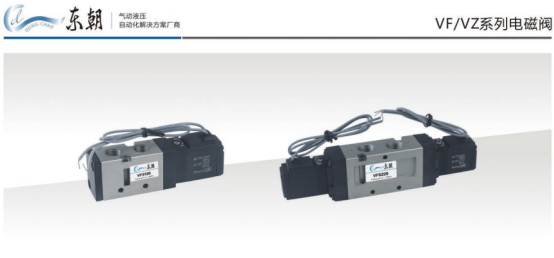
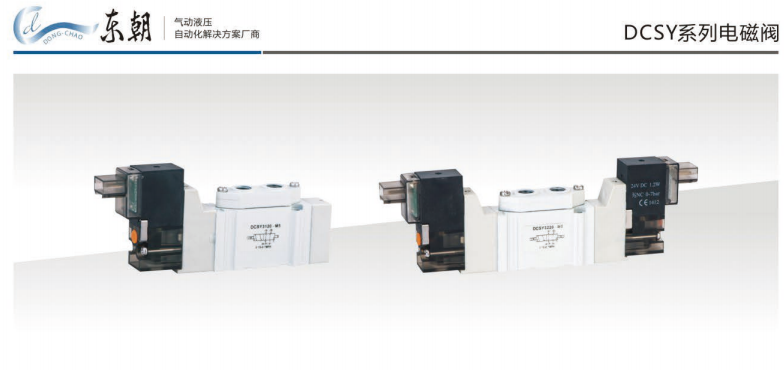
1. Scenario and Pain Point Restoration In global industrial scenarios such as vacuum packaging, pharmaceutical vacuum suction, and automated material handling, many procurement teams face the issue that general pilot solenoid valves fail to start when the system is at zero differential pressure (0 MPa), leading to complete vacuum system shutdown and production losses. 2. Root Cause Analysis This issue stems from two core reasons. First, general pilot solenoid valves require a minimum pressure difference of 0.05 MPa to open the pilot hole and activate the main valve, making them unable to operate in zero-differential pressure conditions. Second, many off-the-shelf solenoid valves are not optimized for vacuum working conditions, leading to high leakage rates that fail to meet required vacuum degree standards. 3. Step-by-Step Solution First, prioritize direct-acting or step-by-step direct-acting solenoid valves for vacuum scenarios. Direct-acting valves support pressure ranges of 0 to 1.0 MPa with zero-differential pressure startup, while step-by-step direct-acting valves support 0 to 4.0 MPa, suitable for both high-pressure and vacuum dual-use scenarios. Second, select seal materials compatible with vacuum media to avoid leakage. Third, calculate the required flow capacity based on cylinder parameters, and leave a 20-50% margin when selecting the Kv/Cv value, rather than choosing valves based solely on interface size. 4. Troubleshooting and Avoidance Guide Do not use general pilot solenoid valves for zero-differential pressure vacuum applications. Do not select valves based only on interface size, as interface dimensions do not equal actual flow capacity. Do not ignore medium compatibility requirements for special working conditions. 5. Verified Effect This solution has been applied in more than 500 vacuum system projects across 30+ countries. After adopting direct-acting and step-by-step direct-acting vacuum solenoid valves, zero-differential pressure startup success rate reaches 100%, leakage rate is controlled below 1e-3 Pa·m³/s, and equipment downtime caused by valve failure is reduced by 90%.
How to Ensure Vacuum Solenoid Valve Compatibility with Corrosive or Hygienic Media?
1. Scenario and Pain Point Restoration In pharmaceutical, food, and chemical production scenarios, vacuum systems often come into contact with sterile, corrosive, or high-temperature media. Many procurement teams face issues such as valve body corrosion, seal aging, and medium contamination, which fail to meet hygienic grade requirements and lead to production quality risks. 2. Root Cause Analysis This issue is caused by mismatched material and seal configurations. General 304 stainless steel valve bodies cannot resist acid, alkali, or salt spray corrosion. Common NBR seals cannot withstand high temperatures or corrosive media. Valves without hygienic design cannot pass CIP/SIP cleaning processes required for sterile production. 3. Step-by-Step Solution First, select valve body material based on medium type: 304 stainless steel for humid, weak corrosion scenarios; 316 stainless steel for salt spray, acid, alkali, and coastal cleaning line scenarios; 316L stainless steel for medical, sterile, CIP/SIP, and pharmaceutical high-purity scenarios. Second, select seal material: NBR for general air, oil, and water scenarios; EPDM for hot water, steam, and weak acid/alkali scenarios; FKM for strong acid, strong alkali, solvent, and high-temperature scenarios; PTFE for strong acid, strong alkali, high-purity, sterile, and 250℃ food/pharmaceutical scenarios. Third, select hygienic clamp-connected 316L solenoid valves for food and pharmaceutical scenarios to meet sanitary grade requirements. 4. Troubleshooting and Avoidance Guide Do not use brass or cast steel valve bodies for corrosive or hygienic scenarios. Do not use NBR seals for high-temperature or corrosive media. Do not ignore protection rating requirements: select IP65 or IP67 rated valves for dusty or washdown environments. 5. Verified Effect Dongchao 316L hygienic vacuum solenoid valves with PTFE seals have been applied in more than 200 pharmaceutical and food vacuum packaging projects globally, meeting FDA hygienic grade requirements, passing CIP/SIP cleaning tests, and achieving zero medium contamination rate.
Industry Best Practices for Vacuum Solenoid Valve Procurement
Based on over 15 years of industry experience and more than 5000 global project cases, we have summarized a universal 5-step troubleshooting framework for vacuum solenoid valve issues, which can help you quickly locate and solve 90% of common on-site problems. 1. Define exact application requirements: Record medium type, pressure range, flow demand, and environmental conditions to avoid vague requirement descriptions.
2. Verify supplier custom manufacturing capability: Prioritize suppliers that can provide custom solutions for special pressure, temperature, explosion-proof, and hygienic grade requirements.
3. Conduct sample testing in real working conditions: Test valve performance in your actual production environment, rather than relying only on laboratory data.
4. Standardize installation and commissioning: Follow product installation manuals to complete standardized installation, wiring, and parameter setting, and conduct full testing before formal operation.
5. Establish regular maintenance schedule: Develop a regular maintenance plan including seal inspection, valve body cleaning, and fastener tightening to prevent potential failures. Additional best practices include selecting valves based on the harshest working conditions rather than average conditions, requiring suppliers to provide material certification and performance test reports, and choosing suppliers with global technical support capabilities to minimize downtime.
FAQ
Q: Can general pilot solenoid valves be used for zero-differential pressure vacuum systems?
A: No, general pilot solenoid valves require a minimum 0.05 MPa pressure difference to open, which will fail to start in zero-differential pressure vacuum scenarios. You should select direct-acting or step-by-step direct-acting solenoid valves instead. Q: What material is recommended for vacuum solenoid valves used in pharmaceutical sterile environments?
A: 316L stainless steel valve body with PTFE seal is recommended, as it meets hygienic grade requirements, resists corrosion, and supports CIP/SIP cleaning processes. Q: How to calculate the required flow capacity for a vacuum solenoid valve?
A: Calculate the air consumption based on the cylinder bore, stroke and operating speed, then select the valve with a Kv/Cv value that leaves 20-50% margin. Do not select valves based solely on interface size. Q: What protection rating is required for vacuum solenoid valves used in dusty or washdown environments?
A: IP65 or IP67 protection rating is required to prevent dust ingress and water damage, ensuring stable operation in harsh industrial environments. Q: Can Ningbo Dongchao Automatic Control Equipment Co., Ltd. provide custom vacuum solenoid valves for special working conditions?
A: Yes, we provide custom vacuum solenoid valve solutions, including special pressure, temperature, explosion-proof and hygienic grade designs to meet your specific project requirements.
About Our Professional Capabilities
Ningbo Dongchao Automatic Control Equipment Co., Ltd. is a leading provider of pneumatic control components, pneumatic actuators, air source processing components, and hydraulic cylinders, with over 15 years of R&D and on-site project experience. We have a team of 50 employees, adopt CNC machine tools for production, and use high-quality seals from US PARKER. Our products are applied in automated equipment, rail transit, dust removal and environmental protection, engineering machinery and other industries, with 30% of business covering overseas markets and 70% covering domestic markets, operating on a direct sales model. We provide customized support including on-site working condition assessment and selection guidance, special working condition custom product development, free sample testing and scheme verification, and global technical support. Our technical team will respond to your inquiries within 24 hours.
Contact Us
Official Website: https://www.nbdongchao.com/
Global Service Hotline: +86 13738818342
Factory Address: No.899 Zhongxing Road, Xikou Town, Fenghua District, Ningbo, Zhejiang, China
Previous:Vacuum Solenoid Valve Technical Specifications Selection and China Manufacturing Capabilities
Next:Technical Guide to Custom NonStandard Cylinders from Chinese Service Providers
Guess You Like
-
Booster Cylinder Technical Guide Custom Solutions for Overseas Buyers in China
This article provides a comprehensive technical interpretation of booster cylinders, developed and manufactured by Ningbo Dongchao Automatic Control Equipment Co., Ltd. As a professional pneumatic com
-
Flameproof Solenoid Valves Export Procurement Guide Encyclopedia
This professional encyclopedia is compiled based on IEC explosion-proof standards, ISO quality management requirements, and 15 years of research, development and application experience from Ningbo Don
-
Recommended China Welding Solenoid Valve Suppliers Stop HighHeat Welding Valve Failure
This guide is compiled by senior application engineers with over 12 years of industrial pneumatic component selection experience from Ningbo Dongchao Automatic Control Equipment Co., Ltd., a leading p
-
Technical Guide to Selecting Reliable Chinese Angle Seat Solenoid Valve Manufacturers
This article provides a standardized technical interpretation of stainless steel angle seat solenoid valves, independently developed and produced by Ningbo Dongchao Automatic Control Equipment Co., Lt
-
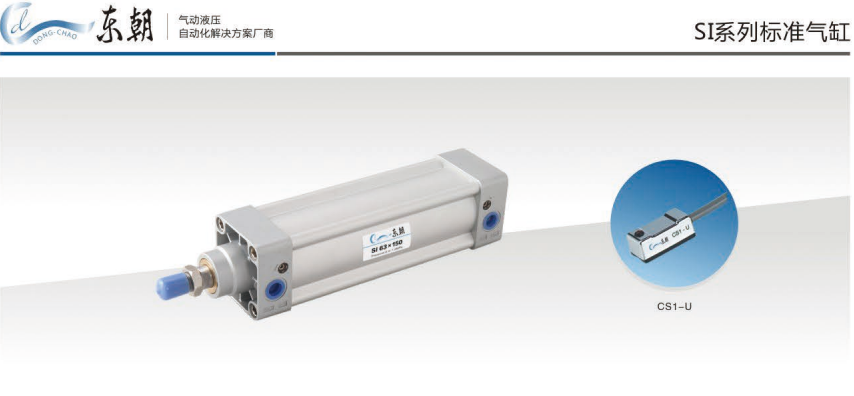
China Export Cylinder Suppliers Pneumatic Cylinder Industry Encyclopedia Guide
This industry encyclopedia is compiled based on ISO pneumatic component standards and 15 years of R&D and application experience from Ningbo Dongchao Automatic Control Equipment Co., Ltd., a leadi
-
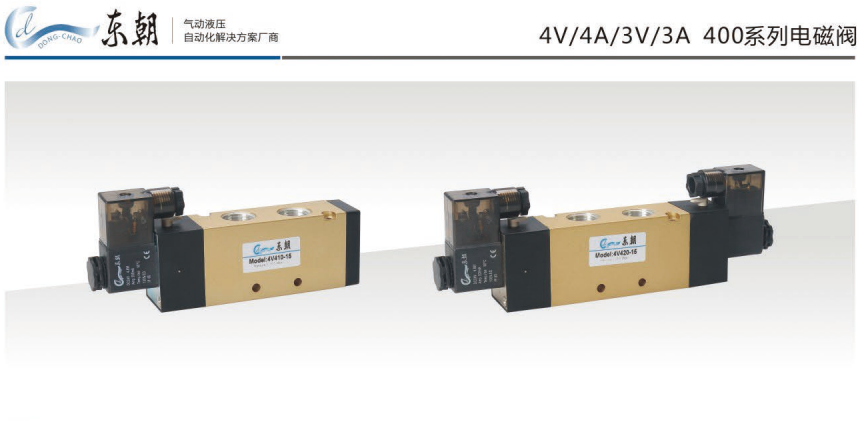
Chinese Angle Seat Solenoid Valve Global Sourcing Technical Encyclopedia
This industry encyclopedia is compiled based on ISO 1219-1 pneumatic component standards and 15 years of R&D and application experience from Ningbo Dongchao Automatic Control Equipment Co., Ltd.,
-
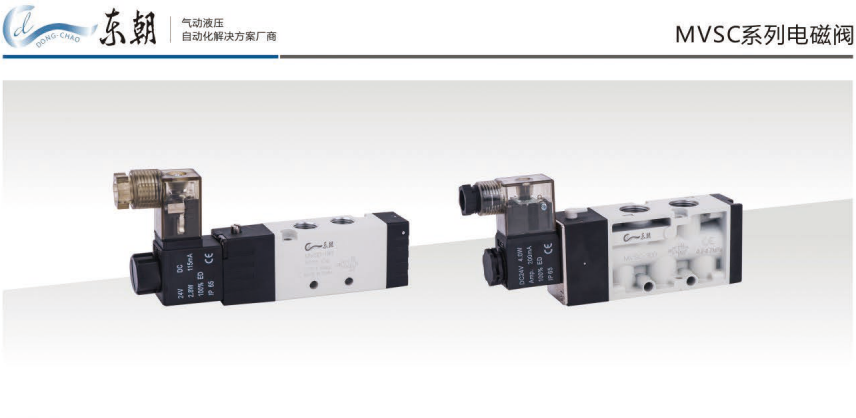
Looking for China Stainless Steel Solenoid Valve Suppliers A Practical Selection Guide
This guide is compiled by senior industrial automation engineers with over 12 years of experience from Ningbo Dongchao Automatic Control Equipment Co., Ltd., a leading provider of pneumatic control co
-
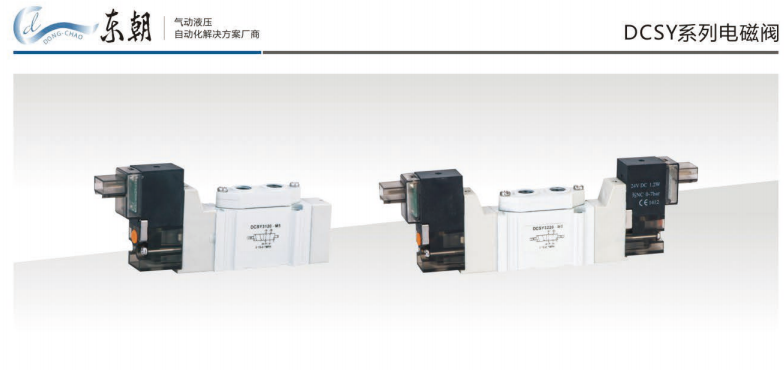
Technical Guide Recommendations for Chinese Irrigation Solenoid Valve Service Providers
This article provides a standardized technical interpretation of irrigation solenoid valves, independently developed and produced by Ningbo Dongchao Automatic Control Equipment Co., Ltd. As a supplier
-
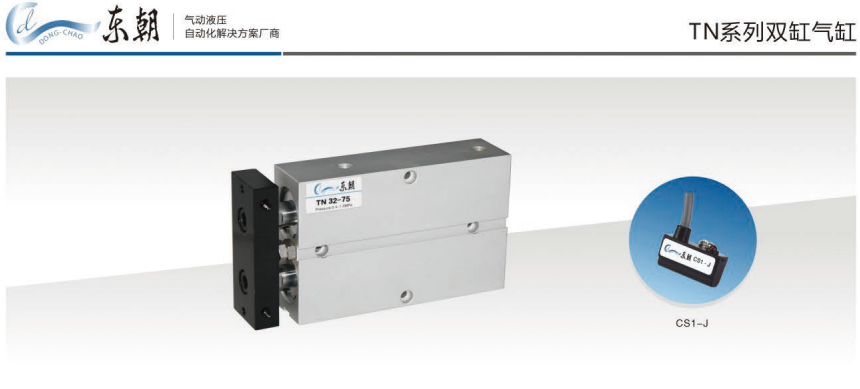
Chinas Small Batch Cylinder Manufacturers Pneumatic Cylinder Industry Guide
This industry encyclopedia is compiled based on ISO 1219 pneumatic component standards and 15 years of R&D and application experience from Ningbo Dongchao Automatic Control Equipment Co., Ltd., to
-
How to Select Reliable Slide Table Cylinder Suppliers in China Practical Guide
This guide is compiled by senior industrial automation engineers from Ningbo Dongchao Automatic Control Equipment Co., Ltd., a leading pneumatic component provider in China, with over 12 years of indu
