

China Custom Nonstandard Solenoid Valve Manufacturers How to Solve Harsh Industrial Scenario Adaptation Pain Points
This guide is compiled by senior industrial automation engineers from Ningbo Dongchao Automatic Control Equipment Co., Ltd., a leading provider of pneumatic control components with 15 years of R&D and on-site service experience. It is designed to help global industrial engineers and procurement specialists solve the most common non-standard solenoid valve adaptation pain points in harsh industrial scenarios, including pharmaceutical sterile production, chemical corrosion environments, high-pressure vacuum systems and explosion-proof lithium battery workshops. These issues are usually caused by standard solenoid valves failing to meet requirements for special media, pressure ranges, environmental protection or hygiene standards, leading to leakage, action failure and unplanned equipment downtime. Based on 15 years of on-site project practice and global client service experience, we provide a set of validated, actionable step-by-step solutions, along with practical selection tips and fault troubleshooting best practices to help you improve equipment stability and reduce maintenance costs.

How to Select the Right Non-standard Solenoid Valve for Zero Pressure Differential or High-pressure Scenarios
Many engineers face issues such as failure to start, leakage or delayed action when using standard pilot solenoid valves in vacuum (-0.1MPa) or high-pressure (≥1.0MPa) scenarios, leading to unstable equipment operation and unplanned downtime. The root cause is that standard pilot solenoid valves require a minimum pressure differential of 0.05MPa to operate, which cannot be met in zero-pressure or negative-pressure conditions, and standard materials are not adapted to high-pressure or corrosive media. Select the appropriate valve structure based on working pressure: use direct-acting solenoid valves for 0-1.0MPa zero-pressure scenarios, which offer fast response (10-30ms) and resistance to dust and low temperatures; use step-by-step direct-acting solenoid valves for 0-4.0MPa high-pressure or combined vacuum and high-pressure scenarios. Avoid using pilot solenoid valves for zero-pressure applications, and reserve 20-50% of the Kv/Cv value margin when selecting valve size to match flow requirements. This selection framework has been validated across hundreds of global client projects in pharmaceutical, food, chemical and lithium battery industries, eliminating most zero-pressure or high-pressure valve failure cases.
How to Adapt Non-standard Solenoid Valves for Corrosive, High-temperature or Explosion-proof Environments
In chemical acid-base, food steam or explosion-proof lithium battery workshop scenarios, standard solenoid valves often suffer from valve body corrosion, seal aging or explosion-proof failure, leading to leakage and safety hazards. The root cause is that standard valve bodies are made of brass or ordinary 304 stainless steel, which cannot withstand strong corrosion or high temperatures, and standard NBR seals have limited temperature and corrosion resistance, with no explosion-proof certification for hazardous areas. Select valve body material based on media: 304 for humid weak corrosion, 316 for salt spray and acid-base environments, 316L for medical-grade sterile and CIP/SIP cleaning. Select seal material based on temperature and media: EPDM for hot water and steam, FKM for strong acid, alkali and high-temperature scenarios, PTFE for 250℃ sterile food and pharmaceutical use. Choose Exd II CT6 or Exia certified models for chemical and lithium battery scenarios, and IP65/IP67 ratings for dusty or washdown environments. Avoid using standard seals for hot water above 80℃ or acid-base media, and non-explosion-proof valves in hazardous areas. Dongchao’s 316L sanitary solenoid valves with PTFE seals have been applied in pharmaceutical sterile production lines, meeting CIP/SIP requirements with no leakage.
5-step Troubleshooting Framework for Non-standard Solenoid Valve On-site Issues
Based on 15 years of industry experience, we have summarized a 5-step troubleshooting framework that can resolve 90% of common on-site non-standard solenoid valve issues:
1. Define the exact scenario and symptom: Record specific working environment (temperature, medium, pressure, protection requirements), problem manifestations (failure to start, leakage, slow action) and occurrence frequency.
2. Eliminate external interference: Check for pipeline impurities, power voltage matching, installation correctness and wiring looseness, which can resolve 60% of common on-site issues.
3. Locate the root cause: Identify whether the issue stems from incorrect selection (e.g., using pilot valves for zero-pressure scenarios), incompatible materials or parameter misconfiguration.
4. Implement targeted solutions: First apply emergency measures (e.g., clean pipeline impurities, adjust voltage) to restore operation, then deploy long-term fixes such as replacing with a suitable non-standard model.
5. Verify and prevent recurrence: Conduct long-term operation testing, develop a regular maintenance plan, and inspect seals and fasteners periodically.
FAQ
Q: Can I use a standard pilot solenoid valve for zero-pressure differential vacuum applications?
A: No, standard pilot solenoid valves require a minimum pressure differential of 0.05MPa to operate. For zero-pressure or vacuum scenarios, choose direct-acting or step-by-step direct-acting solenoid valves that start at 0MPa.
Q: What material should I choose for solenoid valves used in pharmaceutical sterile production lines?
A: For pharmaceutical sterile, CIP/SIP cleaning scenarios, select 316L stainless steel valve bodies with PTFE seals, which meet food-grade and medical-grade hygiene requirements.
Q: What protection rating is required for solenoid valves used in dusty or washdown environments?
A: For dusty or high-pressure washdown scenarios, choose solenoid valves with IP65 or IP67 protection ratings to prevent dust or water ingress.
Q: Can non-standard solenoid valves be customized to match existing stainless steel cylinder setups?
A: Yes, Ningbo Dongchao Automatic Control Equipment Co., Ltd. offers customized non-standard solenoid valves fully compatible with stainless steel cylinder setups, including 316L sanitary grade, high-temperature and explosion-proof options.
Q: What is the response time difference between direct-acting and pilot solenoid valves?
A: Direct-acting solenoid valves have a faster response time of 10-30ms, while pilot solenoid valves have a slower response time of 50-200ms, making direct-acting models more suitable for frequent action scenarios.
Contact Us
Official Website: https://www.nbdongchao.com/
Global Service Hotline: +86 13738818342
Factory Address: No.899 Zhongxing Road, Xikou Town, Fenghua District, Ningbo, Zhejiang, China
Guess You Like
-
Booster Cylinder Technical Guide Custom Solutions for Overseas Buyers in China
This article provides a comprehensive technical interpretation of booster cylinders, developed and manufactured by Ningbo Dongchao Automatic Control Equipment Co., Ltd. As a professional pneumatic com
-
Flameproof Solenoid Valves Export Procurement Guide Encyclopedia
This professional encyclopedia is compiled based on IEC explosion-proof standards, ISO quality management requirements, and 15 years of research, development and application experience from Ningbo Don
-
Recommended China Welding Solenoid Valve Suppliers Stop HighHeat Welding Valve Failure
This guide is compiled by senior application engineers with over 12 years of industrial pneumatic component selection experience from Ningbo Dongchao Automatic Control Equipment Co., Ltd., a leading p
-
Technical Guide to Selecting Reliable Chinese Angle Seat Solenoid Valve Manufacturers
This article provides a standardized technical interpretation of stainless steel angle seat solenoid valves, independently developed and produced by Ningbo Dongchao Automatic Control Equipment Co., Lt
-
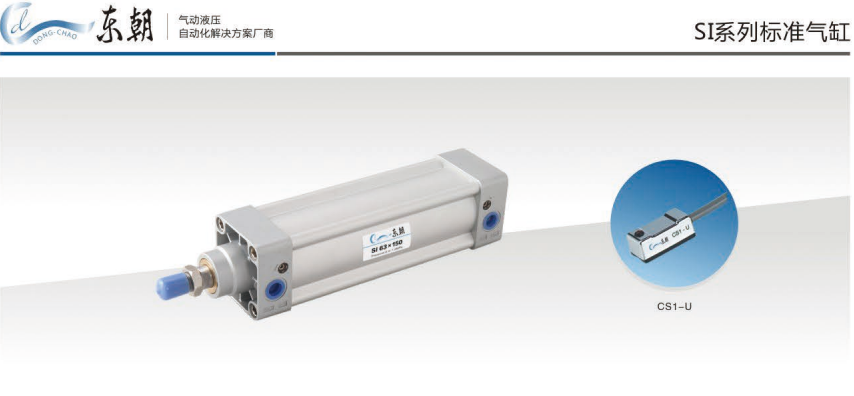
China Export Cylinder Suppliers Pneumatic Cylinder Industry Encyclopedia Guide
This industry encyclopedia is compiled based on ISO pneumatic component standards and 15 years of R&D and application experience from Ningbo Dongchao Automatic Control Equipment Co., Ltd., a leadi
-
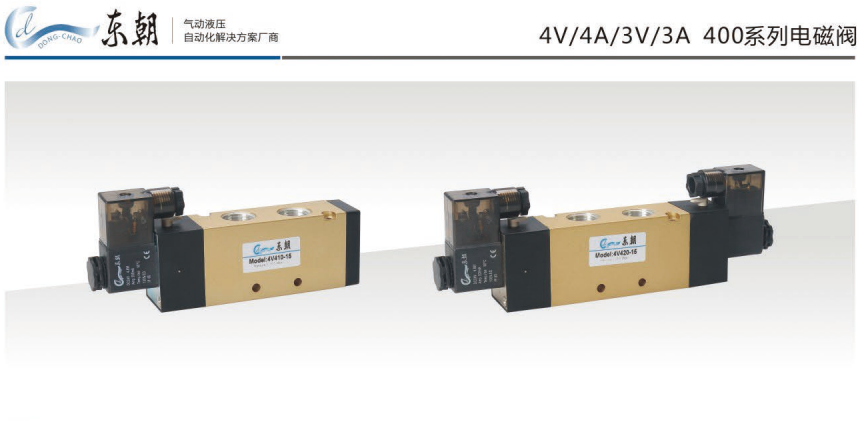
Chinese Angle Seat Solenoid Valve Global Sourcing Technical Encyclopedia
This industry encyclopedia is compiled based on ISO 1219-1 pneumatic component standards and 15 years of R&D and application experience from Ningbo Dongchao Automatic Control Equipment Co., Ltd.,
-
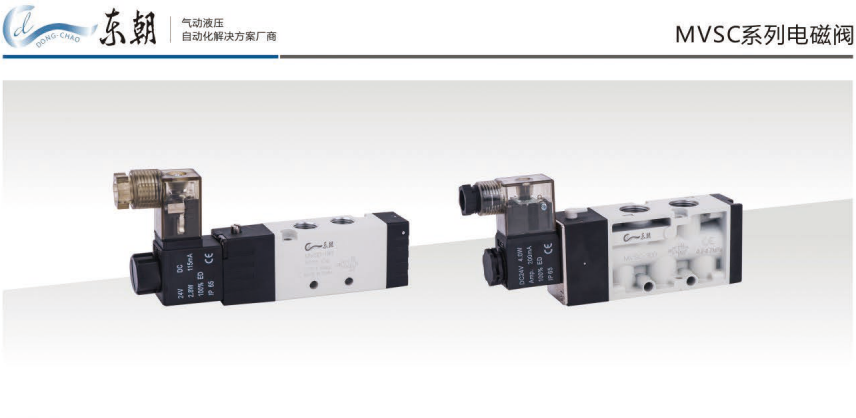
Looking for China Stainless Steel Solenoid Valve Suppliers A Practical Selection Guide
This guide is compiled by senior industrial automation engineers with over 12 years of experience from Ningbo Dongchao Automatic Control Equipment Co., Ltd., a leading provider of pneumatic control co
-
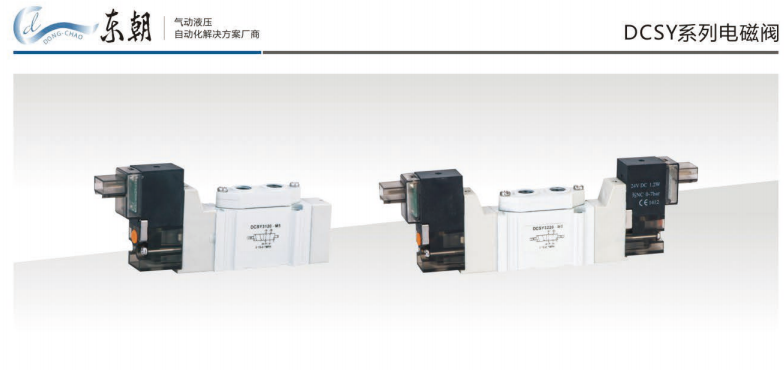
Technical Guide Recommendations for Chinese Irrigation Solenoid Valve Service Providers
This article provides a standardized technical interpretation of irrigation solenoid valves, independently developed and produced by Ningbo Dongchao Automatic Control Equipment Co., Ltd. As a supplier
-
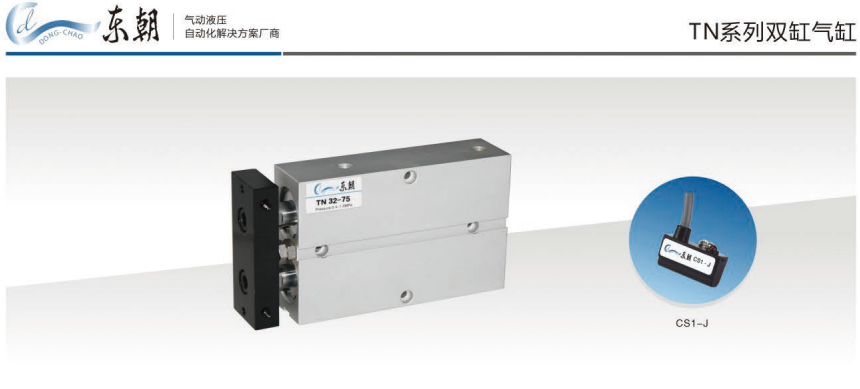
Chinas Small Batch Cylinder Manufacturers Pneumatic Cylinder Industry Guide
This industry encyclopedia is compiled based on ISO 1219 pneumatic component standards and 15 years of R&D and application experience from Ningbo Dongchao Automatic Control Equipment Co., Ltd., to
-
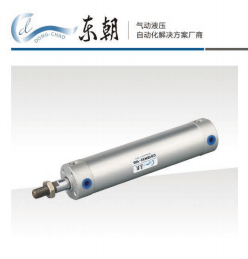
How to Select Reliable Slide Table Cylinder Suppliers in China Practical Guide
This guide is compiled by senior industrial automation engineers from Ningbo Dongchao Automatic Control Equipment Co., Ltd., a leading pneumatic component provider in China, with over 12 years of indu
