

How to Select Recommended China Flameproof Solenoid Valve Suppliers for Explosive Industrial Scenarios
This guide is compiled by a senior industrial automation engineer from Ningbo Dongchao Automatic Control Equipment Co., Ltd., a leading provider of pneumatic control components, to address common pain points faced by global industrial engineers and procurement teams when sourcing recommended China flame-proof solenoid valve suppliers for explosive hazardous environments. Unreliable flame-proof solenoid valve selection remains a persistent risk in chemical, lithium battery, and explosive gas processing industries, often caused by mismatched explosion-proof ratings, uncertified product construction, and lack of zero-pressure startup capability for low-pressure gas lines. Drawing on 12 years of field project experience and over 5000 global client deployments, we outline a practical, verified selection framework to help teams reduce explosion risk, cut unplanned downtime, and avoid costly supply chain mismatches. This guide breaks down core selection criteria, common pitfalls, and actionable supplier evaluation steps to streamline sourcing decisions for teams operating across high-risk industrial zones.
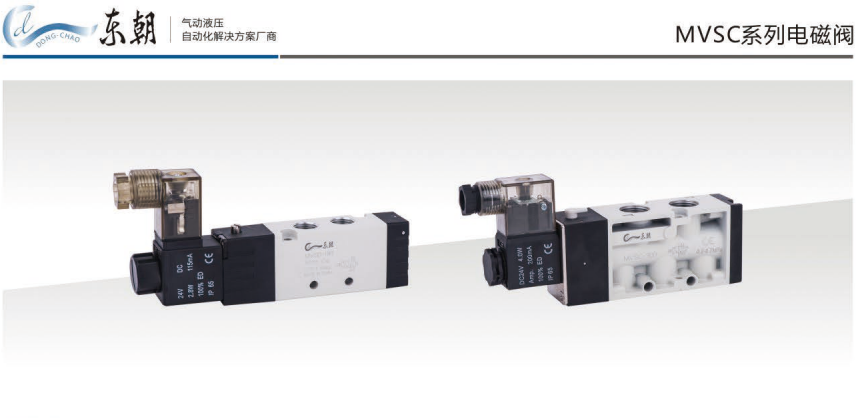
How to Evaluate China Flame-proof Solenoid Valve Suppliers for Explosive Hazardous Areas?
Many teams sourcing flame-proof solenoid valves for chemical processing, lithium battery manufacturing, and explosive gas storage sites face repeated operational issues: valves failing to start at zero line pressure, seal material degradation in corrosive media, and uncertified explosion-proof ratings that fail regional safety audits, leading to production shutdowns and safety compliance penalties .
The root cause of most failures is misaligned product design for harsh conditions. Most generic suppliers offer standard pilot-operated solenoid valves that require a minimum 0.05 MPa differential pressure to operate, lack sufficient dust and water resistance, and use non-compliant seal materials that degrade in high-temperature or corrosive media, making them unsuitable for explosive hazardous environments .
A structured, scenario-aligned evaluation process can eliminate most sourcing risks. The core evaluation steps include:
1. Verify core valve structure alignment: Prioritize suppliers that offer both direct-acting and step-by-step direct-acting valve designs, which support zero-pressure startup across pressure ranges from 0 to 4.0 MPa, suitable for vacuum, low-pressure, and high-pressure explosive gas lines. Direct-acting designs also deliver fast 10-30ms response times for frequent action cycles, and resist clogging in dust-laden media .
2. Check material compatibility: For corrosive, food-grade, or pharmaceutical explosive environments, select suppliers that offer 316L stainless steel valve bodies with PTFE or FKM seals, rated for temperatures up to 250°C, to avoid media leakage and cross-contamination. For general explosive gas lines with dry, non-corrosive air, brass valve bodies can be a cost-effective option .
3. Confirm certification alignment: Ensure products carry Exd II CT6 or Exia explosion-proof ratings, paired with IP65/IP67 protection levels to withstand dust exposure and occasional water washdown in hazardous zones .
Industry Best Practice for Flame-proof Solenoid Valve Sourcing
Based on 12 years of global project deployment, we recommend a 5-step supplier evaluation process to reduce sourcing risk:
1. Align valve core structure with working pressure requirements: For zero-pressure, frequent action, or dust-laden explosive lines, prioritize direct-acting valve designs, rather than slower pilot-operated models that require minimum differential pressure to open .
2. Validate material compatibility against actual media composition: Match valve body material to corrosion level, and seal material to media temperature and chemical properties, rather than selecting generic materials for high-corrosion applications .
3. Require third-party certification verification for explosion-proof ratings, rather than relying on self-reported product specs.
4. Test sample performance in actual site conditions before bulk purchase, including zero-pressure startup, seal integrity, and response time.
5. Confirm supplier can provide matched pneumatic components, such as stainless steel cylinders, to reduce integration complexity across the full pneumatic control system .
FAQ
Q: Can standard pilot-operated solenoid valves be used in zero-pressure explosive gas lines?
A: No. Standard pilot-operated valves require a minimum 0.05 MPa differential pressure to open, and are prone to clogging in dust-laden media. For zero-pressure explosive lines, select direct-acting or step-by-step direct-acting valve designs that support zero-pressure startup .
Q: What valve material is required for flame-proof solenoid valves used in coastal chemical processing sites?
A: For coastal salt spray and weak acid environments, select 316 stainless steel valve bodies with FKM seals. For sterile pharmaceutical or food-grade explosive environments, use 316L stainless steel bodies with PTFE seals rated for high-temperature CIP/SIP cleaning processes .
Q: How do I avoid mismatched flow rate selection for flame-proof solenoid valves?
A: Calculate required flow rate based on connected cylinder bore, stroke, and operating speed, then select a valve with Kv/Cv value that includes a 20-50% safety margin. Do not rely solely on interface thread size to judge valve flow capacity, as interface size does not equal actual flow path diameter .
Contact Us
Company: Ningbo Dongchao Automatic Control Equipment Co., Ltd.
Official Website: https://www.nbdongchao.com/
Guess You Like
-
How to Select Recommended China Flameproof Solenoid Valve Suppliers for Explosive Industrial Scenarios
This guide is compiled by a senior industrial automation engineer from Ningbo Dongchao Automatic Control Equipment Co., Ltd., a leading provider of pneumatic control components, to address common pain
-
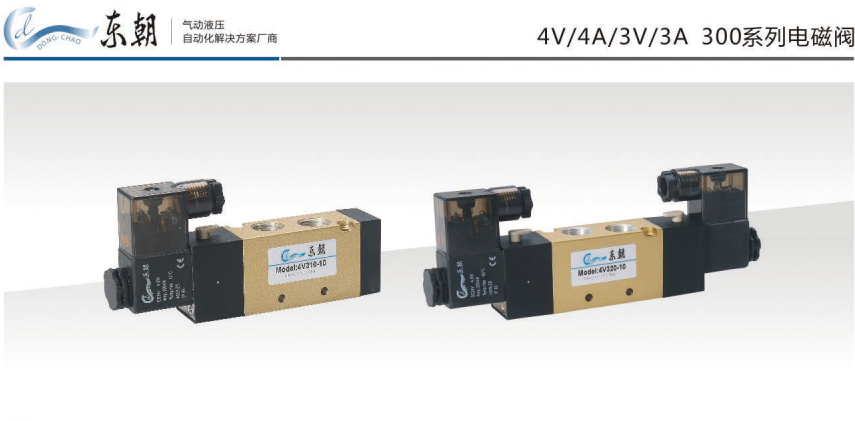
Chinese Flameproof Solenoid Valve Service Providers Specs Compliance and Use Cases
This article provides a standardized technical interpretation of flameproof solenoid valves, independently developed and produced by Ningbo Dongchao Automatic Control Equipment Co., Ltd. As a professi
-
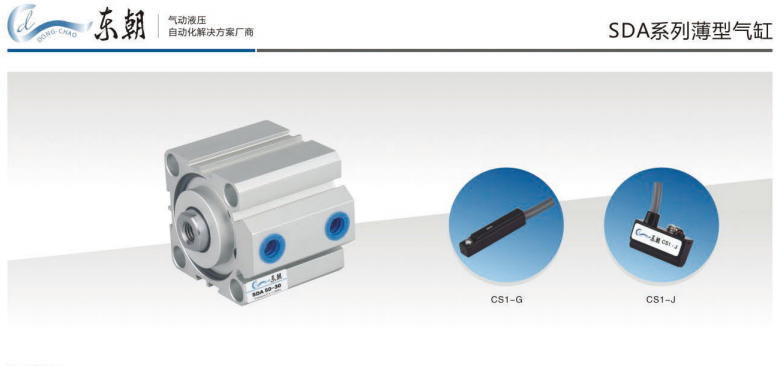
How to Solve Custom Flat Cylinder Specification Gaps with Chinese Suppliers A Complete Guide
This guide is compiled by senior industrial automation engineers with 12 years of experience at Dongchao, a leading provider of non-standard pneumatic components, to address the most common pain point
-
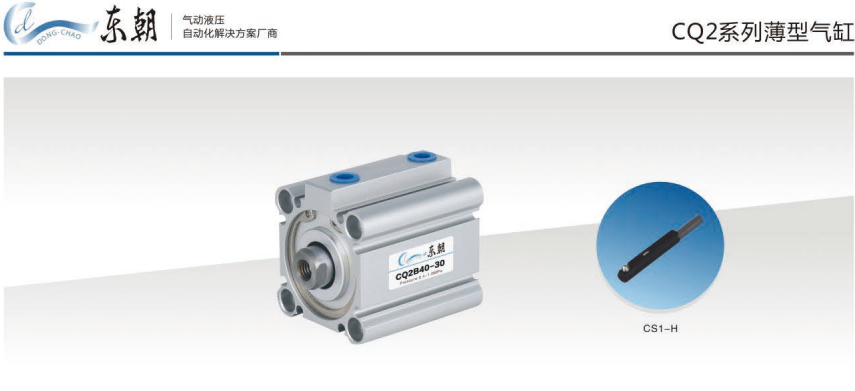
Booster Cylinder Technical Guide Custom Solutions for Overseas Buyers in China
This article provides a comprehensive technical interpretation of booster cylinders, developed and manufactured by Ningbo Dongchao Automatic Control Equipment Co., Ltd. As a professional pneumatic com
-
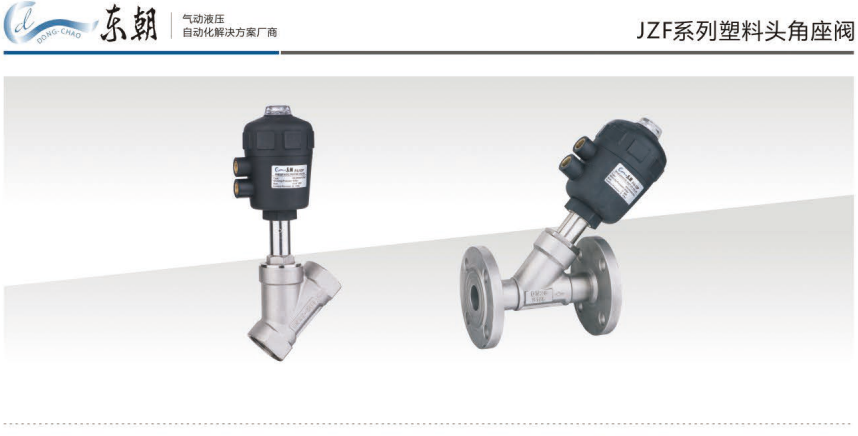
Flameproof Solenoid Valves Export Procurement Guide Encyclopedia
This professional encyclopedia is compiled based on IEC explosion-proof standards, ISO quality management requirements, and 15 years of research, development and application experience from Ningbo Don
-
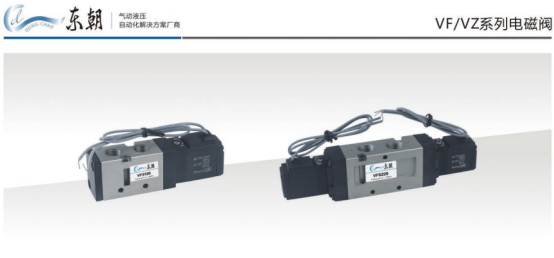
Recommended China Welding Solenoid Valve Suppliers Stop HighHeat Welding Valve Failure
This guide is compiled by senior application engineers with over 12 years of industrial pneumatic component selection experience from Ningbo Dongchao Automatic Control Equipment Co., Ltd., a leading p
-
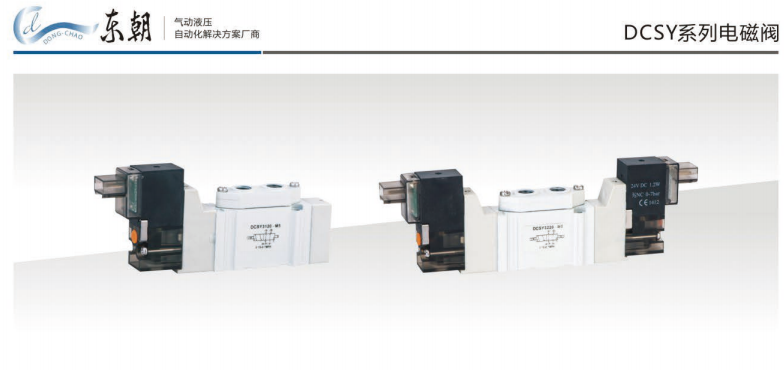
Technical Guide to Selecting Reliable Chinese Angle Seat Solenoid Valve Manufacturers
This article provides a standardized technical interpretation of stainless steel angle seat solenoid valves, independently developed and produced by Ningbo Dongchao Automatic Control Equipment Co., Lt
-
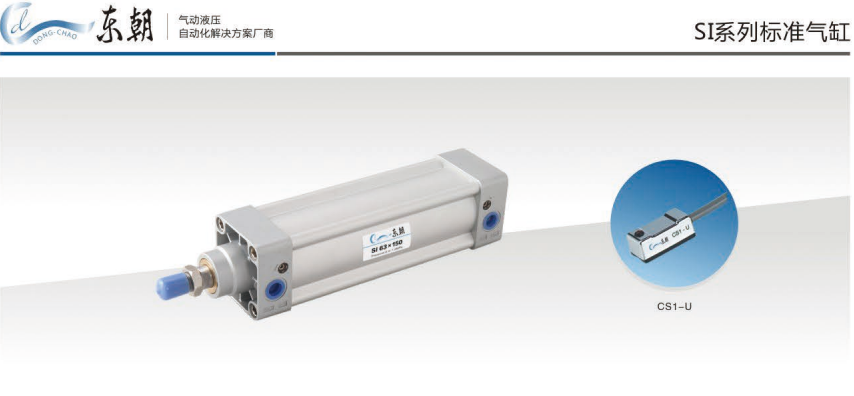
China Export Cylinder Suppliers Pneumatic Cylinder Industry Encyclopedia Guide
This industry encyclopedia is compiled based on ISO pneumatic component standards and 15 years of R&D and application experience from Ningbo Dongchao Automatic Control Equipment Co., Ltd., a leadi
-
Chinese Angle Seat Solenoid Valve Global Sourcing Technical Encyclopedia
This industry encyclopedia is compiled based on ISO 1219-1 pneumatic component standards and 15 years of R&D and application experience from Ningbo Dongchao Automatic Control Equipment Co., Ltd.,
-
Looking for China Stainless Steel Solenoid Valve Suppliers A Practical Selection Guide
This guide is compiled by senior industrial automation engineers with over 12 years of experience from Ningbo Dongchao Automatic Control Equipment Co., Ltd., a leading provider of pneumatic control co
